
- Home
- Services Details
Professional Tile Restoration That Renews Worn and Damaged Surfaces
Tile restoration is designed to improve tile that has become dull, stained, chipped, uneven in appearance, or difficult to maintain without immediately replacing the entire installation. I first identify what is happening at the surface because the correct treatment depends on the tile material, finish, previous products, and condition of the surrounding joints.
About Us & My Approach to Tile Restoration
I started Raiden Restoration after seeing good tile treated as disposable when the real problem was often surface wear, staining, a failed coating, minor damage, or the wrong maintenance method. My name is David Madsen, and I approach tile repair and restoration by diagnosing the surface before choosing any treatment.
The goal is not to sell the biggest project. It is to understand what can realistically be restored, explain the limitations, and use a method that fits the material. Ceramic, porcelain, travertine, marble, slate, and coated tile respond differently to chemicals, abrasion, sealers, and refinishing products, so material identification always matters.
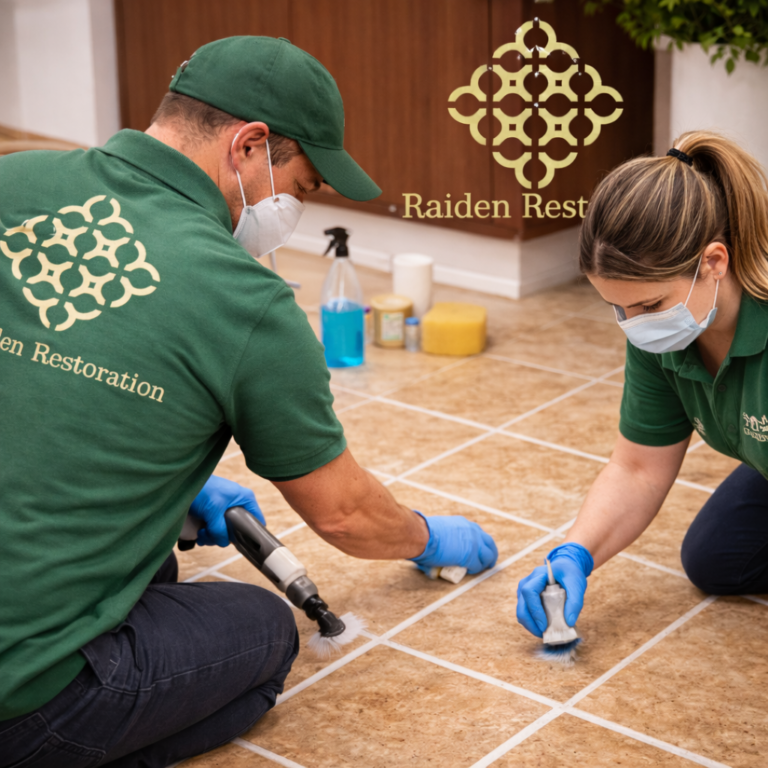
Tile Restoration Services
for Different Surfaces and Conditions
Ceramic Tile Refinishing
Ceramic tile refinishing is useful when a tiled surface looks worn, faded, stained, or uneven but the installation is still structurally sound. I carefully evaluate the glaze, edges, grout joints, and damaged spots before recommending refinishing. The goal is to improve appearance without covering problems that actually require replacement first.
Floor Tile Restoration
Floor tile restoration addresses dull surfaces, embedded soil, light chips, worn finish, and areas that no longer look uniform after normal cleaning. I match the treatment to the tile material because ceramic, porcelain, stone, and coated tile respond differently. Proper restoration can improve the surface while preserving the existing installation.
Bathroom Tile Restoration
Shower tile restoration focuses on staining, soap residue, mineral buildup, damaged grout joints, small chips, and surfaces that have become difficult to maintain. Moisture changes how tile problems develop, so I inspect the surrounding joints and edges closely. The service is designed to improve both appearance and daily cleanability again.
Travertine Tile Restoration
Travertine tile restoration and marble tile restoration require a different approach from glazed ceramic surfaces. Natural stone can etch, scratch, lose polish, or absorb staining if the wrong products are used. I identify the stone first, then choose restoration methods that respect its porosity, finish, and existing condition over time.
Why Choose Raiden Restoration For Your Tile Restoration Project?
I do not assume every worn tile surface needs aggressive treatment. Some floors need deep surface correction, while others need targeted repair, coating removal, refinishing, or attention to a few damaged areas. Choosing the right level of work protects the surface and avoids unnecessary treatment.
Material knowledge also changes the result. Ceramic tile refinishing requires a different decision process from travertine tile restoration because glazed tile and natural stone react differently to acids, alkaline cleaners, abrasion, and sealers. I also focus on long term improvement rather than a temporary cosmetic cover. If a coating or repair product would only hide a deeper failure, I explain that before work begins.
When Tile Still Looks Dirty After Cleaning.
A common frustration is a floor or shower that still looks tired immediately after cleaning. Tile may appear cloudy, faded, scratched, stained around the edges, or inconsistent from one section to another. In bathrooms, soap residue and mineral buildup can combine with worn grout joints and surface deterioration, making normal maintenance feel ineffective.
Not every visible defect is only dirt. Cracked or chipped areas can hold residue, worn coatings can trap contamination, and porous materials can darken unevenly when protection breaks down. Natural stone may also develop etching that ordinary cleaning cannot remove.
Store-bought products can help with routine care, but they cannot correct every form of surface wear. Professional tile refinishing services separate removable soil from finish damage, repair needs, coating failure, and material deterioration. That diagnosis prevents repeated cleaning from becoming a cycle with no lasting improvement.
How I Evaluate and Restore
Tile Without Guessing at the Surface
Identify the Tile, Finish, and Actual Damage
Every project starts with a close inspection of the tile, grout joints, edges, transitions, and surrounding surfaces. I look for chips, cracks, worn coatings, discoloration, loose areas, and previous repair products. This tells me whether tile restoration, tile refinishing, targeted repair, or replacement is the most sensible path for you.
Prepare the Surface Before Any Restoration
Before treatment begins, I protect nearby surfaces and remove soil, residue, wax, soap film, or coatings that could interfere with the work. Surface preparation matters because restoration products cannot perform correctly over contamination. Careful preparation can also reveal hidden damage that was not obvious during the initial visual inspection alone.
Correct Surface With a Material-Specific Method
The restoration stage depends on the material and damage present. I may use controlled cleaning, spot repair, surface correction, refinishing, recoloring, or specialized treatment for natural stone. The objective is not to make every tile look artificially new. It is to restore a clean, consistent, serviceable appearance for continued use.
Inspect the Result and Explain Properly
Once the main restoration work is complete, I check the surface under lighting and inspect repaired areas, edges, and transitions for consistency. Any appropriate finishing or protection is completed at this stage. I then explain realistic care steps so the restored surface is easier to maintain without damaging it again.
Honest Recommendations Matter More Than Selling Every Restoration Job
A trustworthy tile restorer should be willing to say when restoration is not the right answer. If tile is loose because the substrate has failed, widespread cracking points to movement underneath, or replacement would give a more dependable result, I explain that instead of covering the problem.
I also set realistic expectations for appearance. Restoration can improve staining, wear, minor damage, finish consistency, and maintainability, but natural color or texture variation may remain. Those differences can be part of the material rather than a defect.
Before I consider the work complete, I inspect repaired areas, transitions, and the overall surface for consistency. I also explain what cleaning products and maintenance habits to avoid so the restored finish is not damaged again.
Give Your Existing Tile a Fair Chance Before Replacing It
If your tile looks worn, dull, stained, or damaged, replacement is not always the first step. A professional evaluation can show whether tile restoration services, floor tile refinishing, targeted repair, or another treatment can extend the useful life of the existing surface. Tell me what you are seeing and where the problem is located. I can help you understand what is realistically restorable and what the next step should be.
Call Us 24/7
206-458-9942
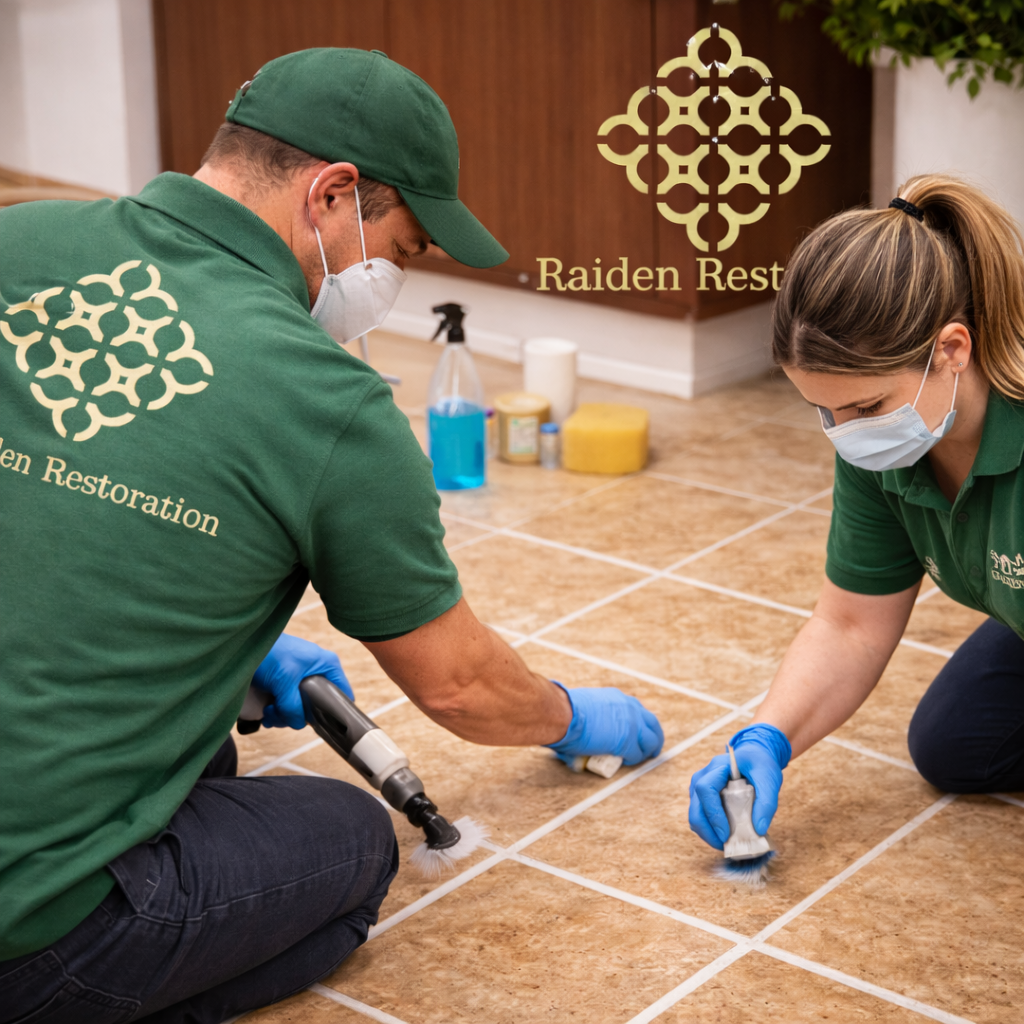
Got Questions? We’ve Got Answers
What Is Tile Refinishing?
Tile refinishing renews the appearance of an existing tiled surface by addressing wear, staining, finish problems, or minor damage without removing and replacing the entire installation.
Can Ceramic Tile be Refinished Instead of Replaced?
Ceramic tile refinishing can be appropriate when the tile is secure and the main problems involve appearance, staining, surface wear, or finish condition rather than structural failure.
Is Tile Restoration Better Than Replacing Damaged Tile?
Tile restoration is often useful when the installation remains sound, and damage is limited. Replacement is usually more appropriate for loose tile, failed substrates, or widespread structural cracking.
How Much Does Tile Refinishing Cost?
Tile refinishing cost depends on surface size, tile material, condition, previous coatings, repair needs, and the treatment required. An inspection provides a more accurate project scope.
Is Tile Restoration Better Than Replacing Damaged Tile?
Tile restoration is often useful when the installation remains sound, and damage is limited. Replacement is usually more appropriate for loose tile, failed substrates, or widespread structural cracking.
Contact with us for any advice
Need help? Talk to an expert
- 206-458-9942
- davidmadsen91@gmail.com
- 4105 Shelby Road, Lynnwood, WA 98087