
- Home
- Services Details
Tile and Grout Color Sealing Services
Color sealing can restore a cleaner, more consistent appearance when tile or grout has become faded, stained, uneven, or outdated in color. I use compatible color treatments and protective products based on the surface itself, helping improve appearance without automatically replacing tile or grout that is still in usable condition.
About Raiden Restoration and My Approach to Color Sealing
I am David Madsen, founder of Raiden Restoration, and I approach color sealing as a surface restoration service rather than a simple cosmetic coating. Tile and grout react differently to stains, cleaners, moisture, and previous treatments, so I first determine what material I am working with and whether color sealing is appropriate.
My goal is to correct unwanted color variation while respecting the condition and character of the original surface. Some projects involve grout joints alone, while others include compatible tile surfaces that need a more even or updated appearance.
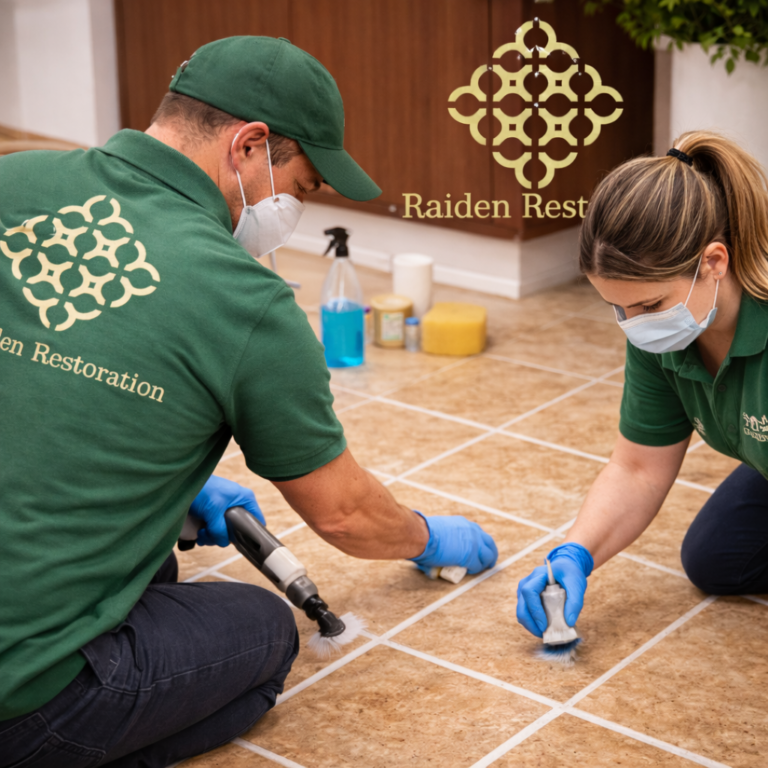
Why Choose Raiden Restoration for Your Color Sealing Project?
Color sealing is only effective when the product matches the surface and the preparation is done correctly. Tile and grout cannot simply be covered with the same coating. Porosity, previous sealers, surface texture, moisture exposure, and existing finishes all affect how a color treatment will perform.
I also pay close attention to how the finished color works across the entire area. Tile faces, grout joints, corners, edges, and transitions all interact visually. A technically correct application can still look wrong if the colors do not complement each other or coverage changes from one section to another.
Just as important, I do not recommend color sealing when the underlying surface needs another type of restoration first. Loose tile, failing grout, active moisture problems, or unsuitable finishes need to be addressed instead of hidden beneath a new color.
Color Sealing Solutions for Tile and Grout
Color sealing can be used for different appearance problems throughout tiled areas. I select the treatment based on whether the surface needs color correction, a new shade, improved consistency, or additional protection.
Grout Color Sealing
Grout color sealing is designed for grout joints that remain stained, faded, or inconsistent after cleaning. A compatible pigmented sealer creates a more uniform appearance while adding surface protection. It can refresh existing grout without removing serviceable material simply because the original shade has become unattractive or difficult to maintain.
Tile Color Restoration
Selected tile surfaces can benefit from professional color restoration when the existing appearance has become worn, uneven, or no longer suits the room. I first confirm that the tile is suitable for treatment. The objective is controlled color improvement that complements the surface instead of applying an inappropriate coating over incompatible tile.
Tile and Grout Recoloring
Sometimes the problem is not staining at all. An older tile and grout combination may simply look dated after other parts of the room have changed. Coordinated recoloring can create a more balanced appearance by selecting compatible tones for the treated surfaces rather than replacing otherwise functional materials purely for design reasons.
Color Sealing for Floors
Floors, bathroom surfaces, and showers experience different combinations of moisture, cleaning residue, traffic, and staining. Color sealing can improve consistency where the materials are suitable for treatment. I evaluate both tile and grout separately because the product that performs correctly on a grout joint may not be appropriate for the tile beside it.
When Faded and Uneven Surfaces Make the Entire Room Look Worn
Tile and grout can gradually lose the consistent appearance they had when they were installed. Grout may darken from absorbed soil and moisture, while some compatible tile surfaces can become stained, faded, or visually uneven after years of traffic, cleaning products, and surface wear.
Cleaning can remove contamination, but it cannot always correct permanent color changes. This is why a floor or shower may be completely clean and still look aged. The problem is sometimes the appearance of the surface itself rather than remaining dirt.
Color sealing provides another option when the material is suitable and replacement is unnecessary. Instead of removing serviceable surfaces for appearance alone, color restoration can improve visual consistency while adding protection appropriate to the treated material.
Not every tile should be color sealed. The original tile type, glaze, coating, porosity, and condition must be evaluated first. That assessment helps determine whether recoloring will produce a dependable finish or whether another restoration method makes more sense.
How I Color Seal Tile and Grout for an Even Finish
Good color sealing depends on preparation, product compatibility, controlled application, and careful finishing. I treat each surface according to its material and condition rather than applying one product across everything.
Surface Compatibility Check
I inspect the tile, grout, existing coatings, damaged areas, and previous sealers before choosing a treatment. This step determines which surfaces can accept color sealing successfully. It also identifies repairs or moisture concerns that should be corrected first instead of being covered by a cosmetic finish.
Deep Surface Preparation
Tile and grout must be properly prepared before any color product is applied. I remove residue, soil, oils, soap buildup, and other contaminants that may interfere with bonding. Preparation varies with the material because a porous grout joint requires different handling from a dense or previously finished tile surface.
Color Sealer Application
Once the surface is ready, I apply the appropriate color treatment in controlled sections. Grout joints receive precise coverage, while compatible tile surfaces are treated according to their texture and finish. Working methodically helps create consistent color while preventing excess product from collecting along edges, corners, or surrounding materials.
Final Finish Review
I inspect the completed area for color consistency, clean edges, proper coverage, and visible irregularities. Any necessary detailing is completed before the project is considered finished. I also explain cure requirements and appropriate maintenance so the treated surfaces are not exposed to moisture or cleaning products too soon.
Why a Proper Color Sealing System Matters
A color sealing project should improve a surface without creating another maintenance problem. That starts with using products that are appropriate for the material rather than assuming every color coating works on every tile or grout type.
I also set realistic expectations before the work begins. Color restoration can change appearance and improve uniformity, but it does not remove differences in tile texture, repair structural damage, flatten uneven installations, or correct moisture coming from behind a tiled surface.
After treatment, I explain which cleaners are appropriate for the finished surface and which products should be avoided. Proper care matters because strong chemicals, abrasive cleaning tools, and unnecessary stripping products can shorten the useful life of a restored finish.
Give Worn Tile and Grout a More Consistent Appearance
If your tile or grout looks faded, stained, uneven, or outdated, replacement may not be the only option. I can evaluate the materials and determine whether professional color sealing can improve the appearance while preserving surfaces that are still serviceable.
Call Us 24/7
206-458-9942
- Faqs
Got Questions? We’ve Got Answers
Can Both Tile and Grout Be Color Sealed?
Yes, grout and certain tile surfaces can be color sealed, but they require different products and preparation. Surface material, finish, porosity, and existing coatings determine suitability.
Can Color Sealing Completely Change the Color of Tile and Grout?
Color sealing can significantly change or correct the appearance of suitable surfaces. The available color change depends on the original material, existing finish, selected product, and desired result.
Is Color Sealing Better Than Replacing Tile?
Color sealing can be practical when tile and grout remain functional but look worn or outdated. Replacement is more appropriate when surfaces are loose, broken, unstable, or structurally damaged.
How Long Should Color Sealing Cure Before the Surface Is Used?
Cure time depends on the product, treated material, moisture exposure, ventilation, and room conditions. The surface should remain protected until the specified curing period has been completed.
How Do I Maintain Color Sealed Tile and Grout?
Maintain color-sealed surfaces with appropriate mild cleaners and nonabrasive tools. Avoid harsh chemicals or aggressive scrubbing unless specifically approved for the color treatment and surface material.
Contact with us for any advice
Need help? Talk to an expert
- 206-458-9942
- davidmadsen91@gmail.com
- 4105 Shelby Road, Lynnwood, WA 98087