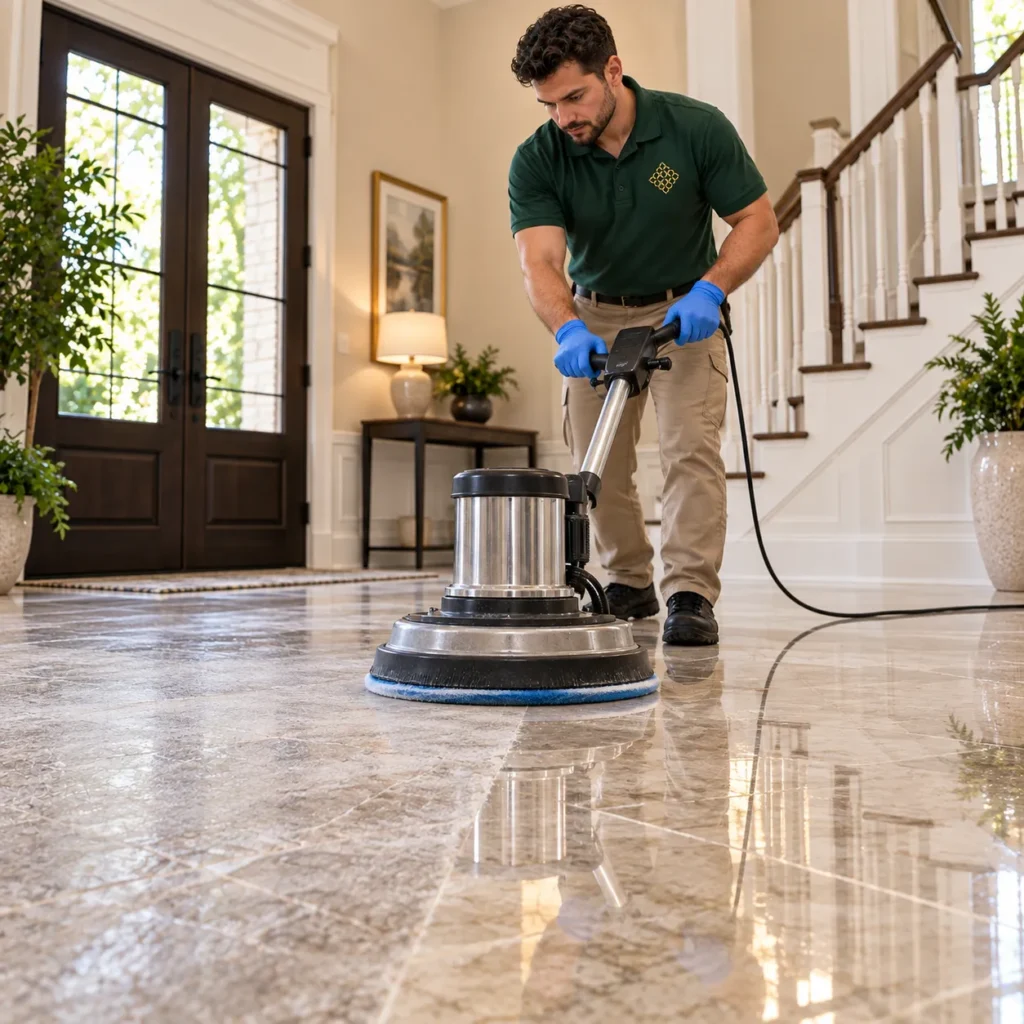
A floor in Seattle usually does not “get dirty.” It slowly changes behavior.
In most homes, tile stays visually stable for years. The shift happens in grout lines first. That is where moisture settles, cleaning residue collects, and color begins to change from inside rather than outside. When I first enter your property, I do not look at the floor as a finished surface. I look at it as a record of cleaning habits. Corners near dishwashers, shower edges, and walking paths usually show the real condition long before the rest of the floor gives any signal.
Raiden Restoration did not start from the idea of offering tile cleaning as a service. It started from noticing how floors actually change over time in real homes. In the early years of working on tile and grout systems, one thing became clear quickly. Most flooring issues are not sudden failures.
They are slow shifts that happen inside grout lines long before homeowners notice anything visually wrong. That shift is usually caused by repeated moisture exposure, cleaning residue, and incomplete drying cycles. I notice these types of issues most commonly in Seattle homes because of cleaning habits.
I started seeing floors that were cleaned regularly, but still developed uneven grout color and surface dullness. When I examined those cases closely, the tile surface was rarely the problem. The grout was acting as a storage layer for everything that had been left behind during cleaning over time.
That observation changed the way work is done. Instead of treating every floor as a cleaning job, each surface is treated as a condition that needs reading first. Some floors only need surface extraction. Some require deeper correction before cleaning can even be effective.
Some are already in a stage where restoration or sealing becomes more relevant than cleaning alone. Raiden Restoration is built around that difference in approach. Every project starts with understanding how the surface has been behaving, not how it looks at the moment of inspection.
Skilled professionals restoring tile, grout, and stone with care and precision.
Safe, eco-friendly cleaning solutions that protect your home and surfaces.
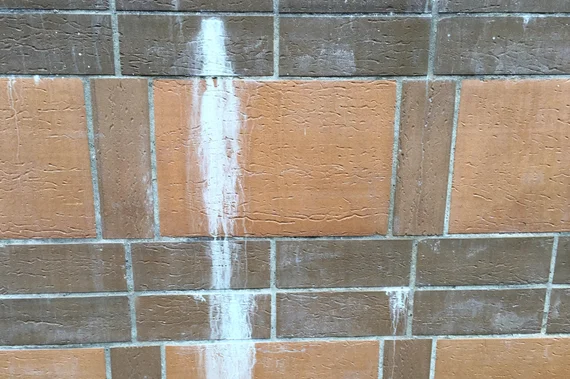
Efflorescence is a powdery residue that appears on grout and tiles due to moisture movement, based on my 35+ years of experience. The main cause of efflorescence is moisture traveling through porous materials. As the water moves, minerals come to the surface, the water evaporates, and the mineral deposits are left visible.
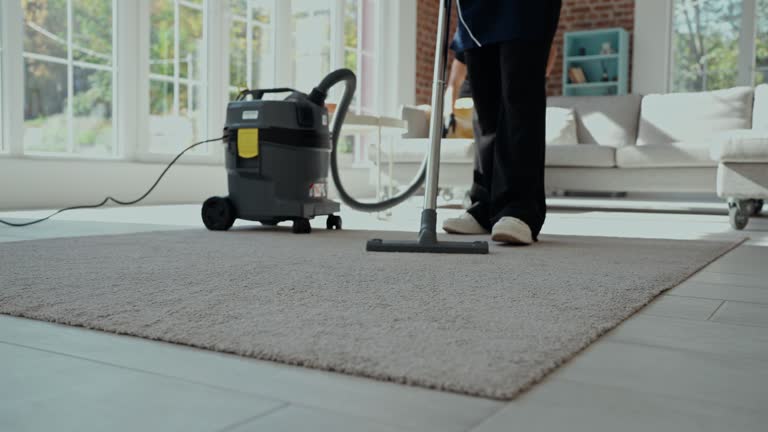
Residential tile and grout cleaning may look simple from the outside, but after working on thousands of homes, I’ve learned that every home develops different cleaning problems over time due to soap residue, cooking oils, pet contamination, hard water minerals, mold buildup, bacteria inside grout joints, and moisture stains
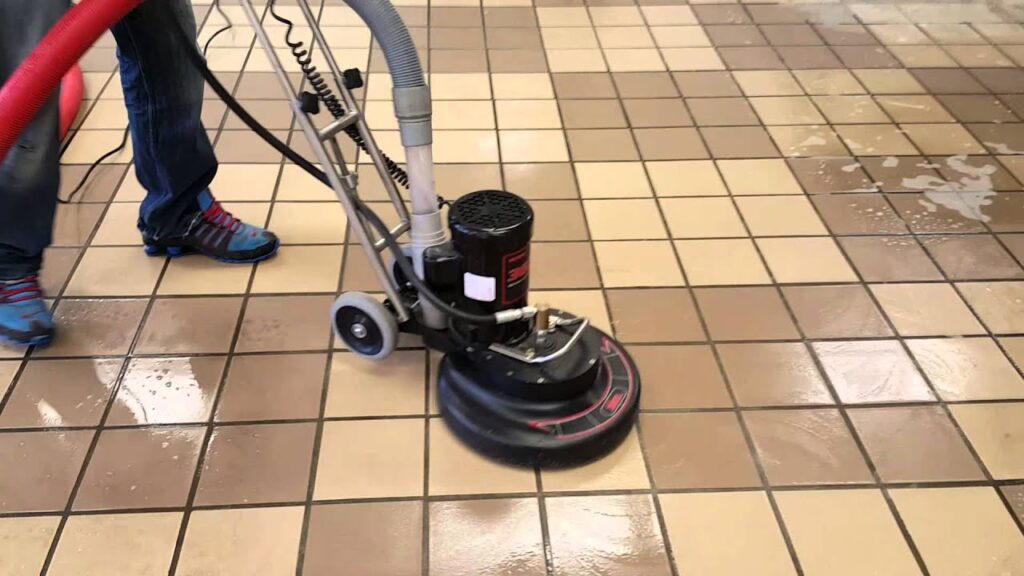
Most issues are related to tiles and grout. That’s why Raiden Restoration services include deep grout cleaning, tile surface restoration, contamination extraction, stain treatment, moisture residue removal, and professional grout sealing.
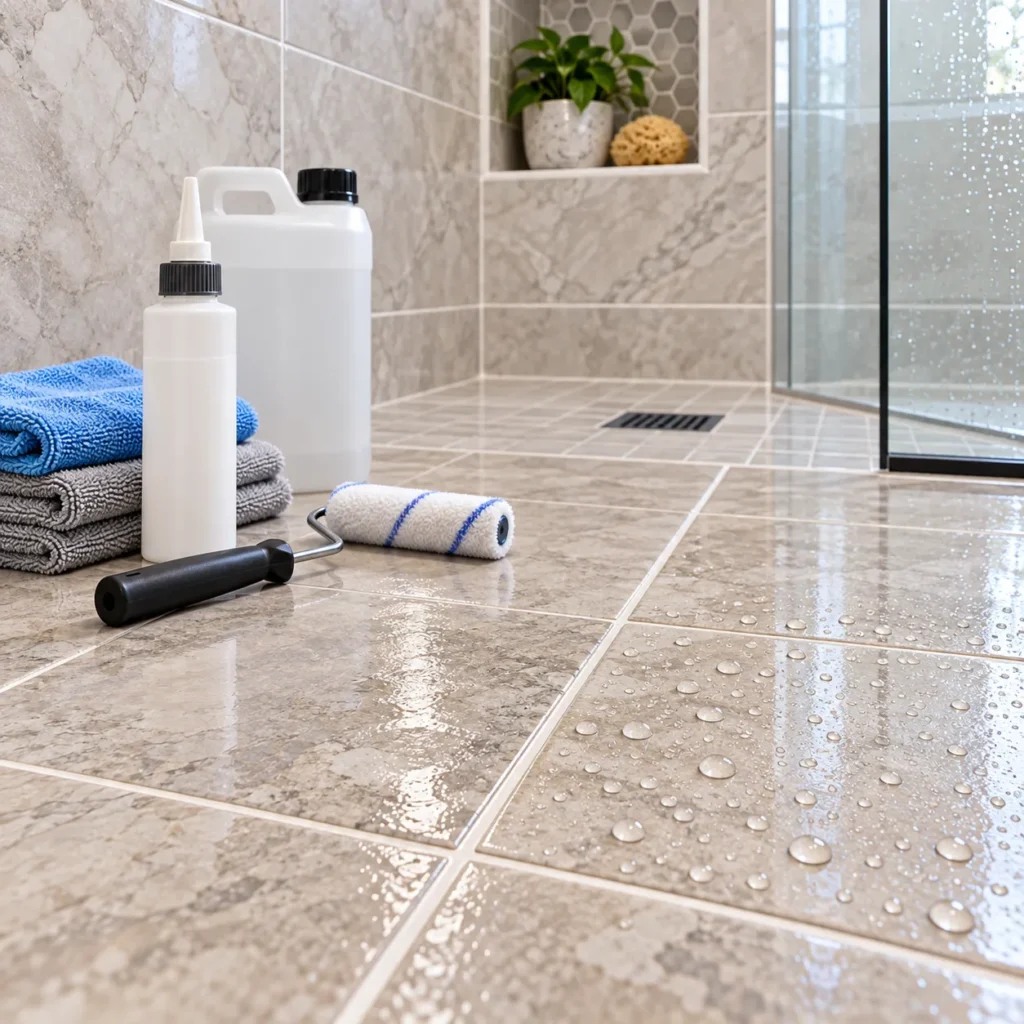
If the grout remains uneven after deep cleaning, color sealing is the best solution. If the client can afford it, I usually recommend it to fix stained grout, uneven grout color, old grout lines, moisture-damaged grout, and faded grout appearance. The process starts with deep cleaning of the grout, followed by applying a professional color sealer to improve appearance and increase its lifespan.
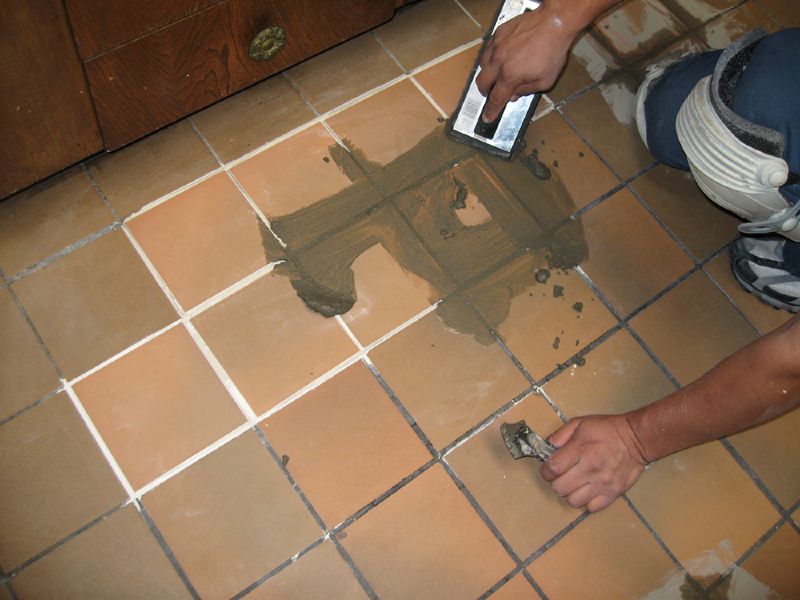
One thing I have noticed after years in this business is that many homeowners think damaged grout means the tiles need to be replaced. In many cases, the grout itself is the main issue. Our restoration process focuses on removing deep contamination and correcting uneven grout appearance.
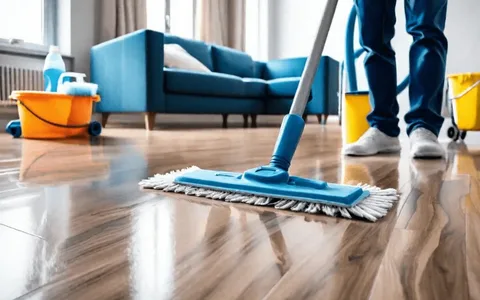
One thing I learned very early in this industry is that maintenance cleaning has a bigger impact on the lifespan of tile and grout than most people realize. With regular maintenance cleaning from Raiden Restoration, tiles and grout maintain their color longer, absorb less dirt, develop fewer moisture problems, and require less restoration work.
Old coatings can trap dirt, cleaning residue, and discoloration within the surface layer. Once that happens, floors often start looking cloudy, uneven, or permanently dirty. Our stripping and coating service removes old wax buildup, damaged coatings, trapped residue, and surface contamination.
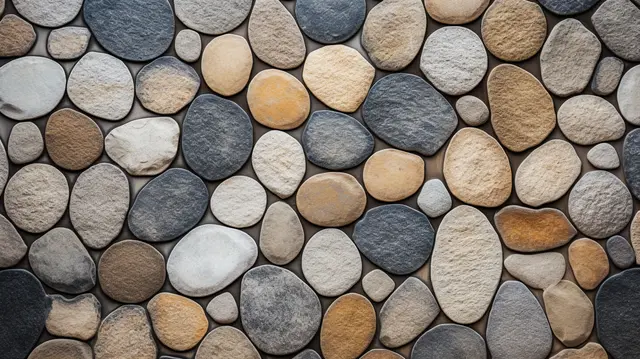
Most natural stones change their appearance over time due to foot traffic, moisture, and the regular use of acidic cleaners. Raiden Restoration’s stone enhancement focuses on improving natural stone color, depth, surface richness, visual consistency, and restoring a natural finish appearance.
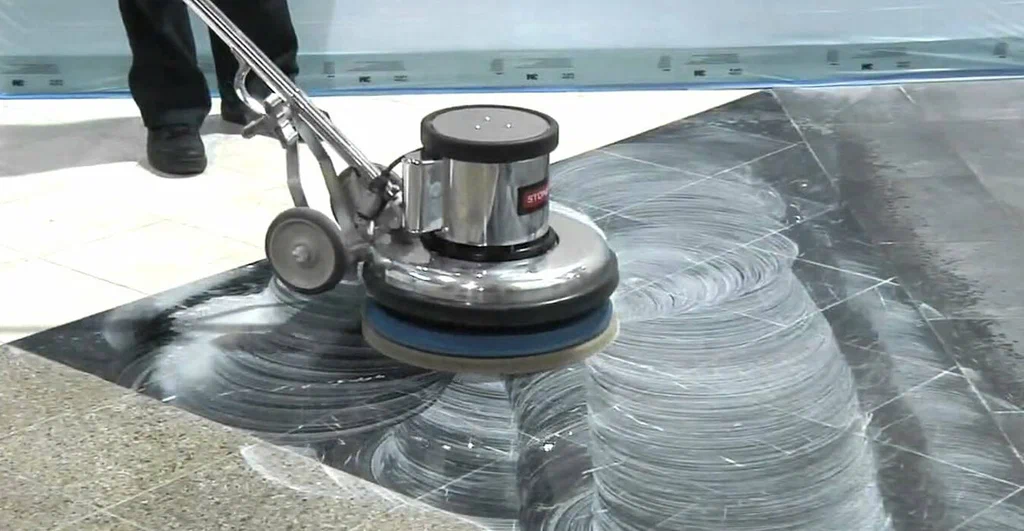
Dull stone surfaces are usually caused by years of abrasion, acidic cleaning products, moisture exposure, and surface wear. Our stone polishing service helps restore shine, smoothness, clarity, reflection, and surface finish consistency. My team and I will restore your stone and polish it to ensure long-lasting results.
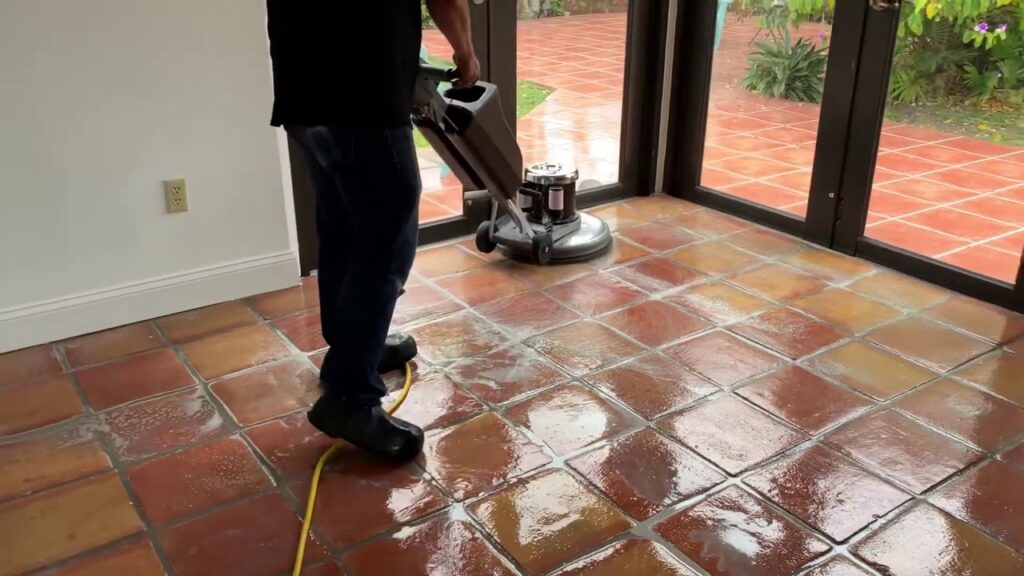
I usually suggest restoration to my clients instead of replacement. If the tile condition is good but the appearance is not, at Raiden Restoration we focus on deep surface cleaning, stain removal, grout improvement, and restoring the surface appearance. After our service, the tiles look cleaner and shinier
206-458-9942

Most tile and grout work fails in the same way. The floor looks better immediately after cleaning, but the same problems return after a short period.
That usually happens when cleaning is applied without understanding how deep the issue goes underneath the surface. Most of the time, I have seen this pattern repeatedly.
A floor is cleaned properly on the surface, yet grout lines continue to darken over time. The reason is that the dirt is almost never visible.
It is layered absorption inside the grout that has built up through repeated cleaning cycles and moisture exposure.
At Raiden Restoration, the first step is not deciding what method to use. The first step is identifying what the surface is actually doing. I look at how grout absorbs moisture, how it reacts after cleaning, and how quickly it holds or releases residue.
That tells me more about the floor than appearance ever will. Once that behavior is understood, the approach becomes clearer. Some floors need controlled deep cleaning.
Some require restoration because internal buildup is already established. Some require color sealing because the original condition cannot be recovered through cleaning alone. This decision-based process is what prevents repeat issues.
Instead of applying the same method everywhere, each floor is treated according to its actual condition. Another important factor is how mistakes usually happen in this industry.
I have seen floors become worse, not because they were neglected, but because they were cleaned incorrectly. Strong chemicals used without evaluation can change how grout absorbs moisture.
Excess water use can push residue deeper instead of removing it. These effects do not show immediately, but they change long-term surface behavior.
That is why experience in this field is not about tools or products. It is about recognizing how surfaces respond over time. Raiden Restoration works on that principle.
Each floor is evaluated based on real surface behavior before any decision is made. That is what creates results that last longer than a single cleaning cycle.


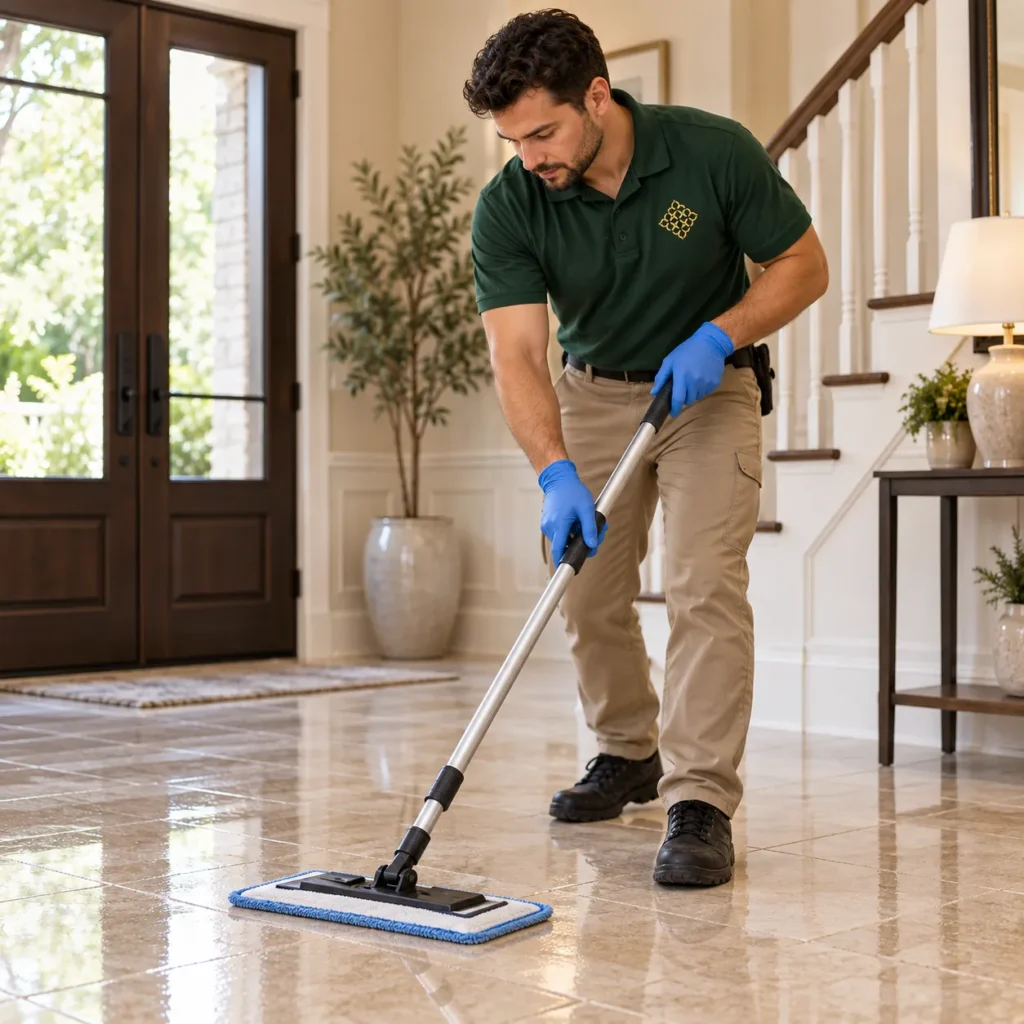
One pattern I see repeatedly is homeowners assuming discoloration means dirt. But in Seattle conditions, discoloration often means layered residue mixed with moisture cycles. That is not something surface wiping can reverse.
I worked on a home where the owner replaced mop heads frequently and cleaned three times a week. Still, grout near the kitchen island stayed dark.
The issue was not frequency. It was what stayed behind after each cleaning cycle. Detergent residue, combined with humidity, was building up inside grout lines instead of leaving the surface.
That creates a situation where cleaning feels active, but the surface condition is still degrading.
Before any work starts, I usually follow the same observation pattern. I check the grout near water sources first. Not because they are dirtier, but because they reveal absorption behavior faster than any other area. Then I look at traffic paths.
If grout darkens along movement lines, that usually indicates repeated residue compression rather than simple dirt. After that, I observe how the surface reacts when slightly dampened. Some floors release moisture quickly. Others hold it longer.
That difference decides everything that follows. Most cleaning methods fail because they ignore this behavior stage.
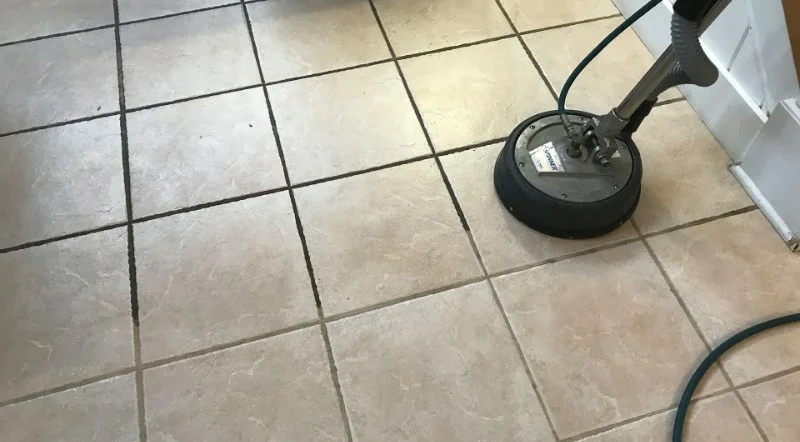
Seattle is not aggressive on floors in a visible way. It is slow and consistent in moisture exposure.
That creates a condition where grout does not dry fully between cleaning cycles in many homes. Even small humidity exposure changes how long residue stays active inside grout pores.
I have seen identical tile installed in two different Seattle homes behave completely differently within a few years. One stayed consistent.
The other developed uneven grout darkening without any structural damage. The difference was not material. It was a moisture rhythm.
Cleaning is usually treated as a single step. In reality, it behaves differently depending on surface condition. Some floors respond immediately because contamination is still on the surface layer.
Others do not change much because the buildup is already inside the grout structure. In Seattle homes, I often see mixed conditions on the same floor. Kitchen entry areas respond well, while sink zones remain unchanged.
That tells me contamination depth is uneven, not uniform. This is why cleaning is not fixed. It is adjusted on-site based on how the floor responds during inspection.
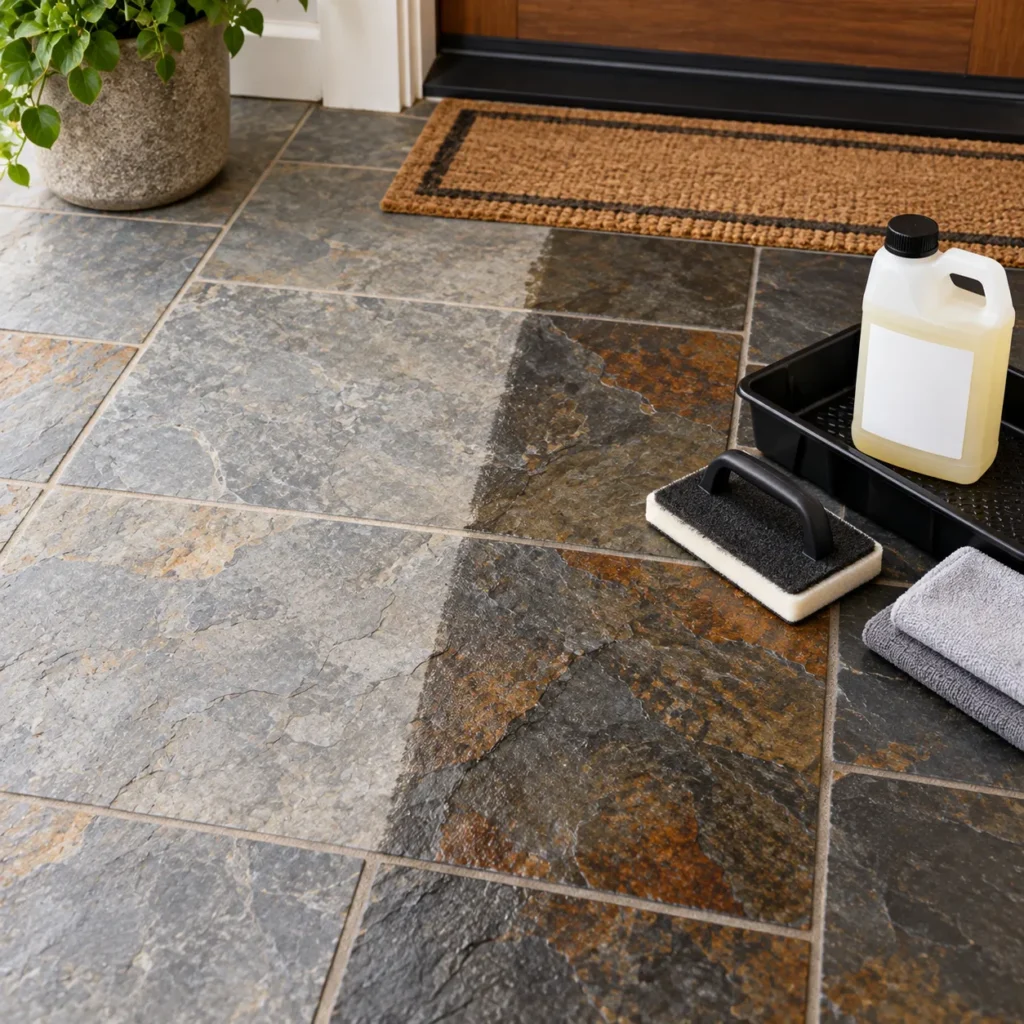
In these 35+ years, I have done a lot of tile and grout cleaning. My personal favorite is hot water extraction cleaning. There are also other methods like dry soil cleaning, pH-balanced cleaning, and steam cleaning.
Only when the structure is stable, if grout is physically damaged, restoration alone is not enough.
Because the buildup has moved beyond the surface level into the internal grout structure.
No. It slows absorption but does not reverse existing internal conditions.