
Natural stone can lose visual depth long before it needs replacement. With professional stone enhancing and stone sealing, I restore richer color and contrast where the material can absorb an enhancer evenly, while keeping the finish true to the character of the stone.
I often see stone that looks washed out when dry but becomes noticeably richer the moment water touches it. That response tells me there may be color worth bringing forward, but I still test the surface before deciding whether enhancement is the right treatment.
Stone enhancing requires more than applying a product and waiting for the color to darken. I evaluate the stone type, existing finish, porosity, previous sealers, and current condition before deciding what should touch the surface. Different stones absorb enhancers at very different rates. Travertine may accept treatment readily, while dense granite can resist penetration. Slate can vary from one section to another, and limestone may darken more than expected. I use test areas to understand that response before treating a full floor, shower, countertop, or feature surface.
My goal is not to make every stone darker. It is to bring forward the natural character already present without creating streaks, overly dark areas, artificial gloss, or surface residue. That requires controlled application and an understanding of when the stone has absorbed enough product. I also look at the finish the client wants to maintain. A honed surface should still look honed after treatment, while textured stone should keep its natural variation. Enhancement should support the material rather than make the surface look coated.
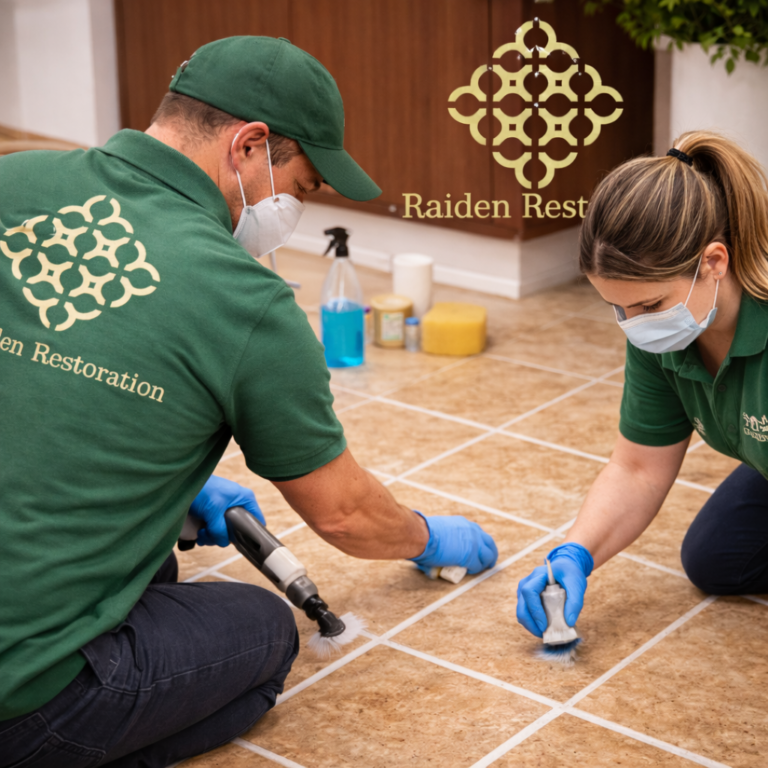
A faded appearance is not always an enhancing problem. Before I recommend treatment, I determine whether the stone is actually losing color depth or whether another surface condition is making it look dull. Etching on marble can create pale, cloudy spots that an enhancer will not remove. Honing marble or marble honing may be required when acidic products have physically changed the finish. Applying enhancer first can deepen surrounding areas while leaving the etched sections visible.
Travertine can develop worn traffic paths, scratches, open holes, or uneven tile edges. Depending on the condition, travertine honing, travertine lippage removal, or honing and polishing may need to come before enhancement. The surface has to be corrected before color can be evaluated fairly. Old topical products can create another problem. Wax, coating residue, or incompatible sealer may block penetration and cause uneven darkening. I identify and address those barriers instead of applying another product over them.
Different stones respond to enhancement in different ways, so the service has to match the material, finish, and existing treatment. These are the most common applications I evaluate.
Stone color enhancement works best when the surface is clean, absorbent, and structurally sound. I use enhancing products to deepen faded natural tones, improve contrast, and make mineral variation easier to see. The goal is controlled enrichment, not artificial gloss or a coated appearance that hides the stone over time.
Travertine can look pale or dusty after years of wear, cleaning, or sealer loss. Enhancing and stone sealing can restore warmer color when the finish is suitable. If the floor needs travertine floor honing, honing travertine tile, or travertine honing first, I complete that corrective work before applying any enhancer.
Slate and limestone often show dramatic improvement because their natural variation becomes clearer when color is enriched. I evaluate porosity before choosing the product. Uneven absorption can create dark patches, so careful preparation matters. Enhancement should make the stone look richer while still preserving its natural texture and character throughout.
Granite responds differently depending on density, finish, and existing treatment. Honed or more absorbent granite may gain noticeable depth, while dense polished granite may change very little. If granite honing is actually needed to correct wear or texture, I separate that restoration step entirely from color enhancement and sealing work.
I consider stone enhancing successful only when the color looks consistent from normal viewing angles. I check edges, grout transitions, low spots, and areas beside walls where excess product can collect. A surface that appears streaked from another angle is not finished.
My name is David Madsen, founder of Raiden Restoration. I scope this service conservatively. If the stone is too dense, already coated, chemically damaged, or mechanically worn, I will say that enhancement is not the right first step. Stone sealing should not be used to disguise a condition it cannot correct.
Product choice depends on stone type, porosity, finish, exposure, and the appearance you want. Full cure can take roughly 24 to 72 hours depending on the product and conditions, so I provide care instructions that match the material actually used.
The quality of stone enhancement depends less on how quickly the product is applied and more on what happens before, during, and immediately after absorption. My process is built around control and testing.
I start by identifying the stone, finish, current sealer, porosity, and areas that absorb differently. A small test area shows how much color change is realistic. This step also reveals whether the surface needs cleaning only, enhancement, or corrective work such as honing marble before any enhancing product is applied.
Enhancer cannot hide contamination, soap film, old coating residue, or embedded soil. I clean the stone thoroughly and allow it to dry before treatment. If marble honing, travertine lippage removal, or another mechanical correction is necessary, that work is completed first so the enhancer reaches a stable and uniform surface.
I apply the selected enhancer in controlled sections, keeping the surface evenly wet for the product’s required dwell time. Excess material must be removed before it dries on top. Depending on porosity, the stone may accept another application, but I never force product into a surface that has stopped absorbing.
After application, I remove residue, buff the surface as required, and inspect the stone under changing light. The finished color should look consistent without sticky areas, streaks, or artificial buildup. I then explain cure time, cleaning products to avoid, and what signs will indicate that future maintenance is becoming necessary.
The main reason is the use of cheap and harsh cleaners. If you are using cheap cleaners, then without realizing it, you are the reason that your home’s natural stones become dull over time, because most stone cleaners contain acidic compounds that slowly weaken the finish of the surface. Also, there are some other reasons like hard water, soap residue, sealer deterioration, use of dirty water while mopping, and foot traffic with contamination. That’s why before fixing the issue, I can usually identify the real cause of dullness
For example:
If your natural stone looks richer when wet but flat again after it dries, there may be a better option than replacement or another round of aggressive cleaning. Tell me what surface you have and what you want the finished stone to look like, and I can help determine whether enhancement is appropriate.
206-458-9942
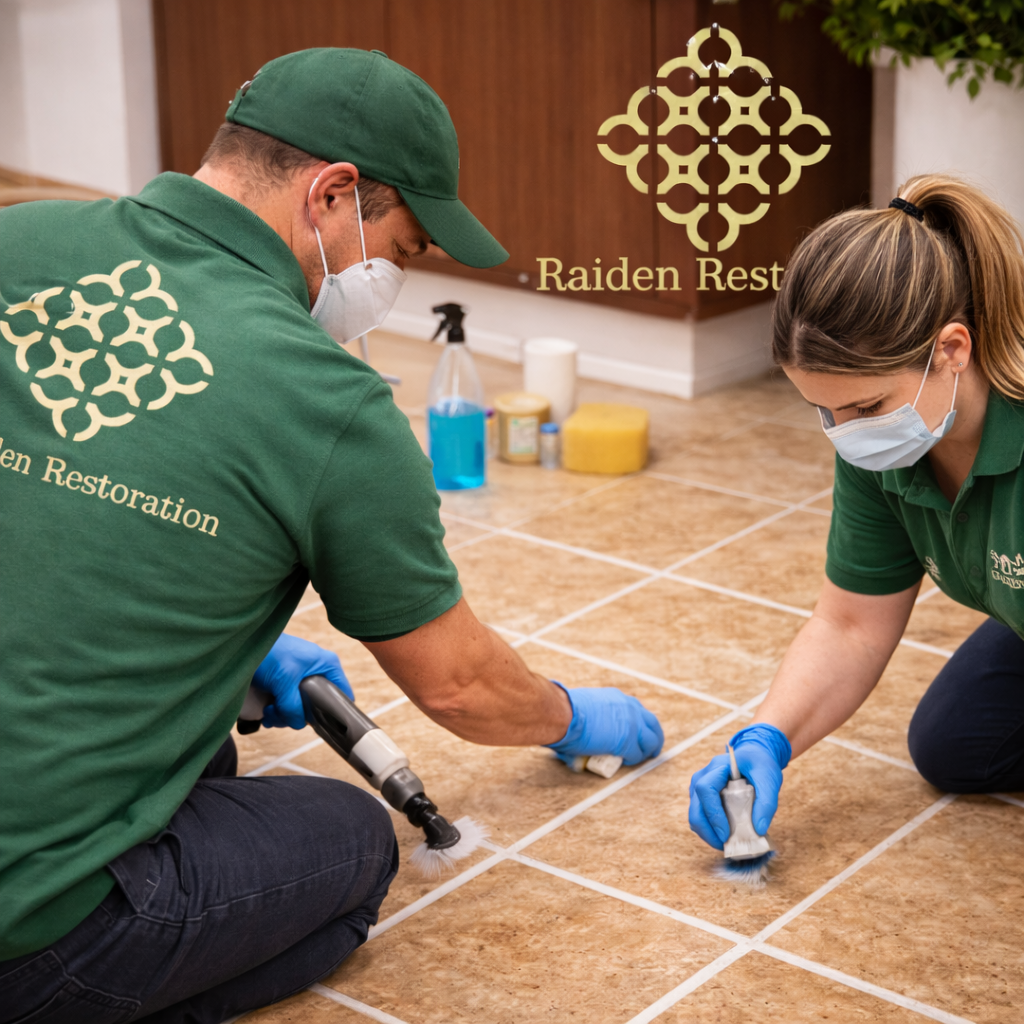
Stone enhancer penetrates absorbent natural stone and deepens its existing color and contrast. Many products also provide stain resistance, but the exact protection depends on the sealer selected.
Stone enhancement can last several years, but wear, cleaning chemistry, moisture, and stone porosity affect longevity. Reapplication should follow surface performance, not a fixed calendar alone.
No. Enhancer changes color depth, but it does not remove scratches, etching, lippage, or uneven wear. Those conditions may require honing and polishing before enhancement.
A properly selected enhancing sealer can be used on many kitchen, bathroom, and shower stones. Product compatibility, cure time, and moisture conditions must be checked first.
Honing marble mechanically refines the surface with abrasives to remove damage or change the finish. Stone enhancing instead changes color depth and may add penetrating stain protection.