- Home
- Services Areas
- Everett
Tile and Grout Cleaning Services in Everett - Trusted Contractor
Everett homes hold moisture differently than most people expect. Midcentury ramblers in Boulevard Bluffs and the older Craftsman stock in Port Gardner sit over subfloors that were poured without the vapor barrier systems used in newer construction. Grout lines absorb unevenly. Some sections pull moisture inward fast, others hold it for weeks and release it slowly as temperatures shift between seasons. The result after a few years is a floor that looks patchy, even right after mopping, even when nothing in the household routine changed. We’ve worked in Everett long enough to recognize that pattern. What the surface shows is almost always two or three cleaning cycles behind what’s happening inside the grout.
- About Us
About Raiden Restoration
Most of the tile we work on in Everett was installed between 1968 and 1986. Portland cement grout was standard then. Builders used it almost everywhere, sometimes mixed on site without consistent ratios, and results varied from street to street. It held up for years. After four decades of cleaning products, Snohomish County’s moderately hard municipal water supply, and Pacific Northwest humidity cycling through walls and floors, it now behaves more like a sponge than a surface.
I started noticing this specifically in Everett because the housing stock stayed intact longer here than in many other parts of Snohomish County. Homes weren’t renovated and flipped at the same rate as neighborhoods closer to Seattle. Original flooring stayed. That meant we were seeing tile carrying 35 or 40 years of cleaning history compressed into the grout.
That changes the approach completely. A floor installed in 1974 and mopped weekly for four decades doesn’t respond to cleaning the same way a 2018 floor does. Grout absorbs and compresses soap film, mineral deposits, and product residue over time. What looks like surface grime is often the final visible layer of something that built up steadily across three or four decades.
We read the floor first. That means checking absorption speed near water sources, looking at how residue patterns move along traffic lines, and identifying whether the problem sits at the surface or inside the grout body. In most Everett homes we’ve worked in, it’s deeper than the homeowner realized going in.
Experienced & Trained
Skilled professionals restoring tile, grout, and stone with care and precision.
Eco-Friendly & Safe
Safe, eco-friendly cleaning solutions that protect your home and surfaces.
Efflorescence Removal
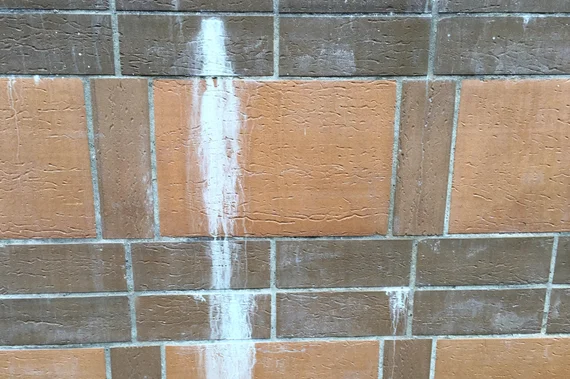
White mineral deposits on Everett tile usually trace back to concrete subfloors that have shifted or cracked across decades of use. It's not surface dirt. Water moves through porous grout from below, dissolves minerals from the substrate, and deposits them on the surface as it evaporates. We remove the efflorescence. Treating only the surface without following the moisture path that caused it means the deposits return within months.
Grout Restoration
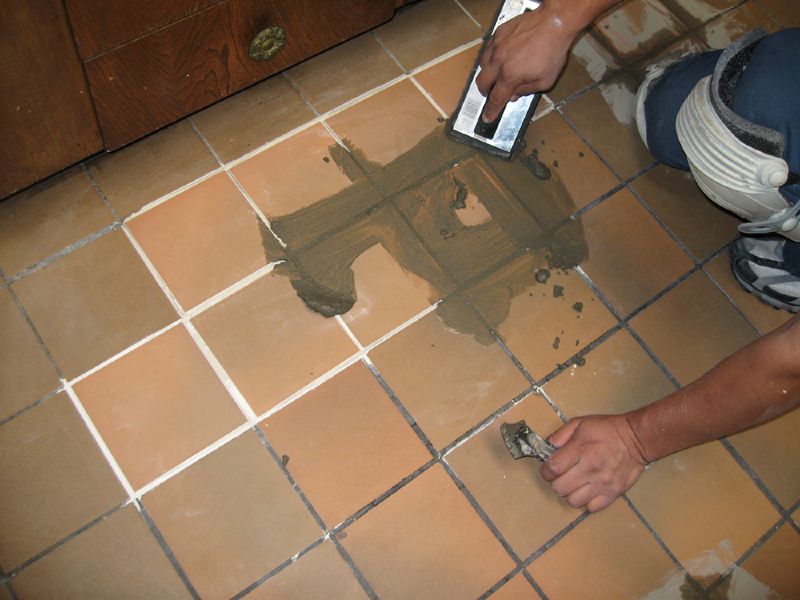
Grout that looks failed often isn't. The visible problem is usually uneven color, surface pitting, or discoloration at the top layer rather than structural damage underneath. In Everett homes, grout is still structurally sound in most cases we've worked on. Restoration means removing internal contamination that built up over decades, correcting color inconsistency, and resealing to prevent those same conditions from returning.

Stone Enhancing
Natural stone in Everett homes changes appearance over time, often from cleaning habits rather than neglect. The damage is gradual. Regular use of pH imbalanced products strips the surface slowly, dulling color and reducing the natural depth the stone had when it was first installed. Stone enhancement restores that color depth and surface richness without abrasives or harsh chemicals, and without removing material from the stone itself.
Residential Cleaning
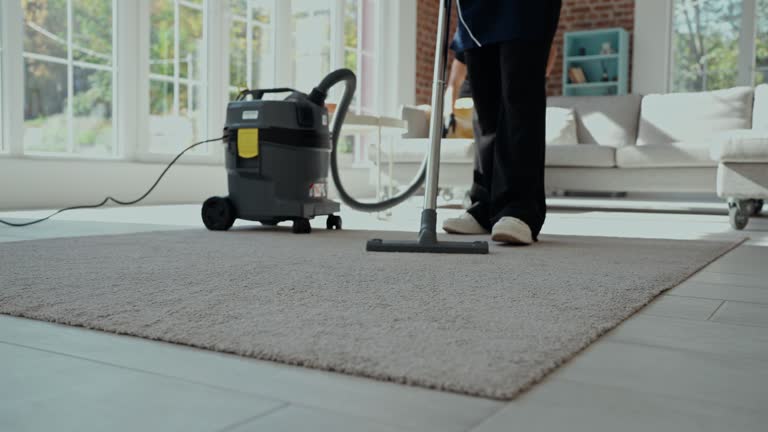
Every home tells a different story. In Everett, we've worked in single story ramblers from the 1970s, multilevel Craftsman homes near Port Gardner, and newer builds east of Paine Field, and each carries a different combination of residue types and contamination depths inside the grout. That matters. A bathroom from 1978 and one from 2006 look similar on the surface but respond to cleaning pressure in completely different ways.
Maintenance Cleaning
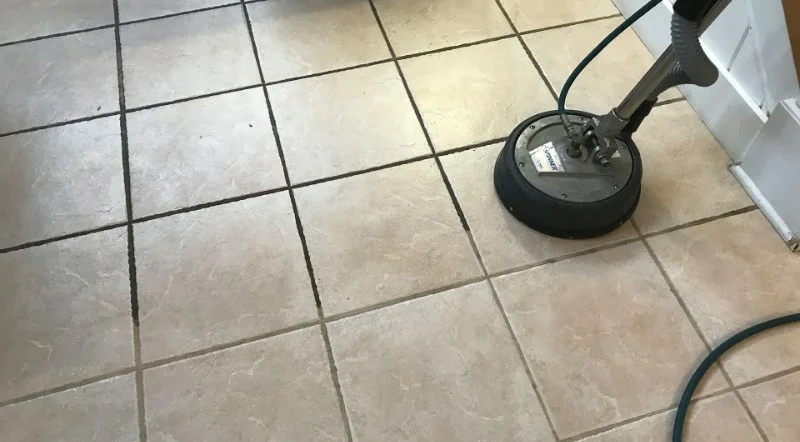
Maintenance cleaning protects what's already been restored. After a deep cleaning or restoration job in your Everett home, we talk through a schedule that fits how the floor is actually used. Kitchens and bathrooms see different conditions than entry tile or laundry rooms. Consistent light maintenance prevents the layer buildup that makes full restoration necessary again, usually extending your next professional service by 12 months.
Stone Polishing
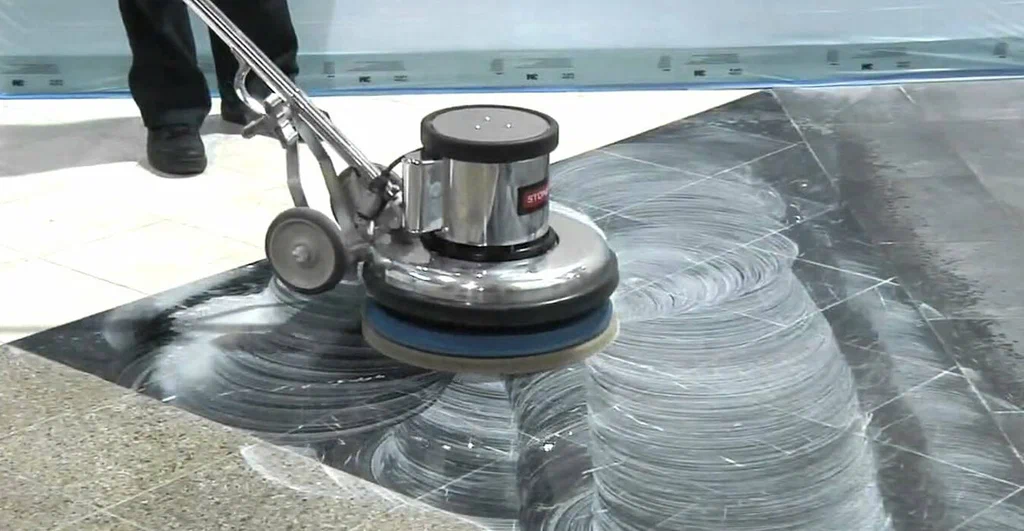
Stone polishing targets surface scratches from foot traffic, years of abrasion, and cleaning pressure, and restores the reflective quality the stone originally had. The shine disappears first. We work in stages, starting with a coarser abrasive to remove surface damage and finishing with a fine polish to bring back clarity. Everett marble and travertine floors respond well to this process, particularly in bathrooms with older installation
Tile and Grout Cleaning & Sealing
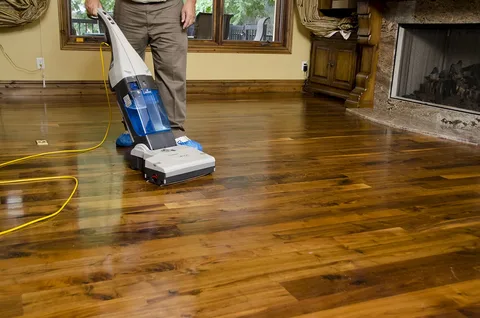
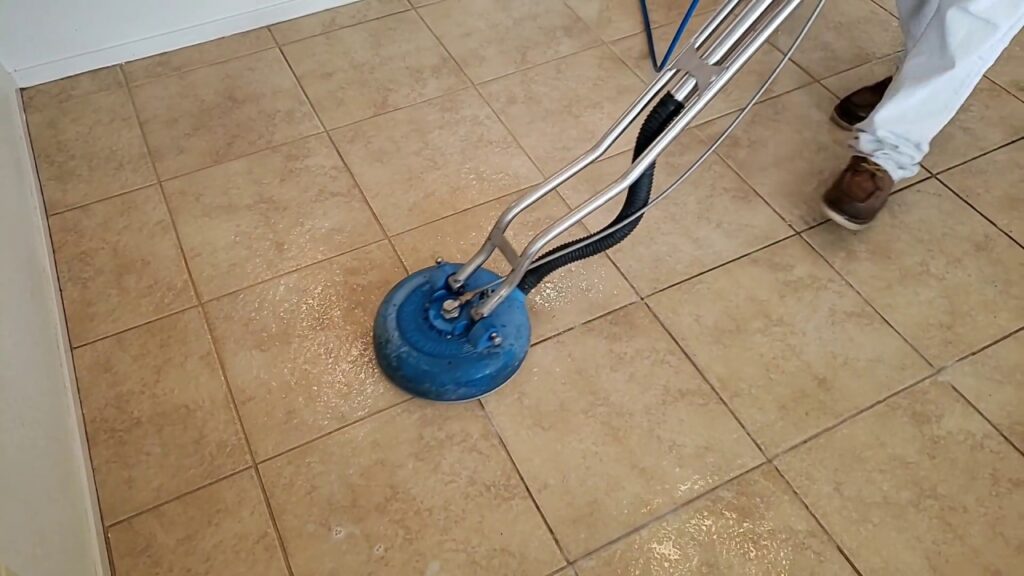
Deep grout cleaning in Everett often turns up two separate problems at once: surface residue that cleans quickly, and internal contamination already compressed into grout pores over years of mopping. We address both. After extraction and stain treatment, we apply professional sealer to close the grout surface against future absorption. Skipping that seal step after cleaning is the main reason floors return to the same condition within six months.
Stripping and Coating
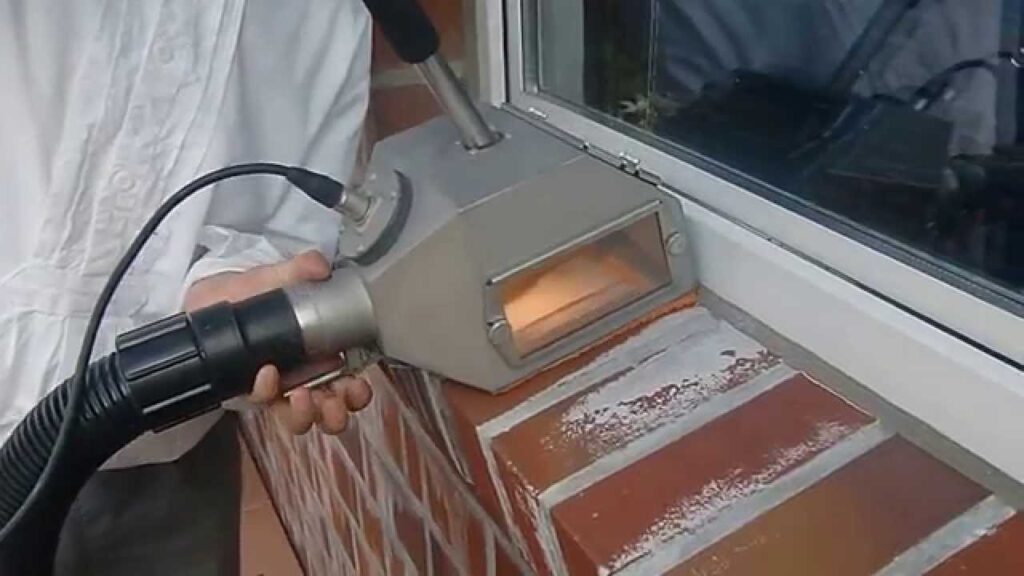
Old floor coatings don't fail all at once. They cloud gradually, trap dirt inside the coating layer, and start looking permanently dull even when you clean regularly. That's contamination locked inside the coating itself. We strip the degraded material completely, remove what it trapped, and apply a fresh protective coat to the clean surface. In Everett homes with older vinyl tile or commercial flooring.
Tile Restoration
Tile replacement is often wrong. If the tile body is intact and the problem is surface appearance, staining, or dull finish, restoration is cheaper, faster, and produces results just as durable. We work on deep surface cleaning, stain removal, grout correction, and finish restoration. Most Everett homeowners are surprised by how different their original tile looks once the process is complete
Call Us 24/7
+880 123 456 789
- Why Choose Us
Why Do Homeowners in Everett Choose Raiden Restoration?
The most common complaint we hear from Everett homeowners is that a cleaning company came through, the floor looked better for a few weeks, then went back to exactly where it started. Sometimes faster.
That happens when cleaning is applied to solve a visual problem without understanding what created it.
In Everett, where a significant share of tile was installed between the late 1960s and early 1980s, the contamination inside grout lines isn’t recent. It accumulated over three or four decades of the same cleaning cycles repeating on the same floor.
Surface cleaning on that kind of floor moves what’s visible. It doesn’t reach what’s inside.
The way we work is different. Before we touch anything on your floor, we’re already reading it.
We check how grout responds near moisture sources, how quickly it releases or holds water, and whether the surface layer is the real problem or just covering something deeper. Those observations take maybe 20 minutes. They change everything about what follows.
The result of a correct first assessment is a floor that holds its condition longer. Most Everett clients go 12 to 18 months before needing another professional service after a proper deep clean and seal.
That number depends on how the household uses the floor, but it’s almost always better than what they were getting before calling us.

The Grout Pattern We See Most Often in Everett Homes
We see one pattern in Everett floors more often than in any other area we serve. Grout along exterior walls darkens noticeably faster than grout closer to the center of the same room, even when both areas receive the same cleaning attention and the same foot traffic load.
The reason is moisture. Walls facing Port Gardner Bay or Possession Sound absorb ambient humidity at a higher rate than interior walls do. That moisture migrates slowly through the wall base into the flooring system, and grout in those perimeter zones never fully dries between cleaning cycles. Contamination builds faster there.
Cleaning those zones temporarily reduces what’s visible on the surface. Without addressing the underlying drying pattern, the same darkening returns within a few weeks after each service. We flag it during inspection and treat those perimeter lines with a different method than the field grout in the center of the room.
How We Inspect an Everett Floor Before Any Work Starts
Every job starts the same way. I look at the grout near the shower threshold or kitchen sink first, not because those spots are always the worst, but because moisture behavior in those areas tells me how the rest of the floor is performing across the whole surface.
Then I trace the traffic paths. Grout that darkens along the lines where people walk is not responding to foot traffic.
It absorbs residue from repeated mopping cycles and compresses it deeper into the pore structure each time, which surface cleaning cannot reverse once a certain depth is reached.
Finally, I dampen a small grout section and watch how long it takes to appear fully dry.
Fast drying tells me the grout is open. Extended hold time means the pore structure is already compacted and the method has to change. Those observations, done before touching a single tool, determine the entire job from that point forward.
What Everett's Climate Does to Tile Across a Full Year
When outdoor temperatures drop below 40 degrees Fahrenheit, grout drying time inside older homes extends considerably. Homes without proper subfloor ventilation, which describes a large portion of the housing stock built in the 1960s and 1970s, hold more moisture inside the flooring system from November through March.
That extended moisture presence means grout absorbs more, releases less, and accumulates contamination faster in winter than in summer. Floors that looked fine in August can look noticeably darker by January without any change in cleaning habits at all.
We ask about seasonal patterns on every intake call. It almost always explains why a floor looks worse at certain times of year without any visible cause.
When Cleaning Is No Longer the Right Answer
Cleaning works on surfaces. It moves contamination from the grout face and extracts what’s loose inside the top layer of the pore structure. But it doesn’t work on floors where contamination has migrated deeper than the cleaning pressure can reach.
In Everett homes with original 1970s or early 1980s tile, we sometimes reach a point in the inspection where the diagnosis is clear. The grout is beyond what cleaning can fix. The internal absorption is complete.
The pore structure is saturated with decades of residue. Cleaning the surface at that point produces temporary visual improvement, but the floor returns to its darkened state within a few weeks because the underlying condition hasn’t changed.
At that point, the right answer is restoration or color sealing. We tell clients this during the inspection, not after we’ve already cleaned the floor and sent the invoice
Got Questions? We’ve Got Answers
Why does grout in my Everett home look darker in winter than in summer?
Moisture is the reason. Grout holds more during cooler months when indoor temperatures drop and air circulation slows. In Everett homes with older flooring systems and limited subfloor airflow, grout dries slower between cleaning cycles from November through March. When moisture stays elevated for weeks, the contamination already inside the grout becomes more visible at the surface
Can old tile from the 1970s or 1980s be restored, or does it need replacing?
Most of it can be restored. Tiles from that era are generally thicker and more durable than modern materials. If the surface is intact and the problem is appearance rather than structural damage, restoration is the right call. Replacement is only necessary when tiles are cracked, hollow under pressure, or separating from the substrate below.
Why does grout stay dark even after I clean it regularly?
Regular mopping leaves cleaning residue inside grout pores. Over time that residue compresses and creates an internal layer that holds staining compounds in place. Surface cleaning moves what’s on top. It doesn’t reach that internal layer. Professional extraction equipment gets deeper than any household mop or scrub brush can.
Does sealing grout mean I don't have to clean it anymore?
No. Sealing slows absorption. It doesn’t stop contamination from landing on the surface. You still need to clean the tile, but sealed grout holds up longer between professional services because it doesn’t pull contaminants into the pore structure as readily. The cleaning interval stretches, not disappears.