
- Home
- Services Details
Professional Efflorescence Removal Services
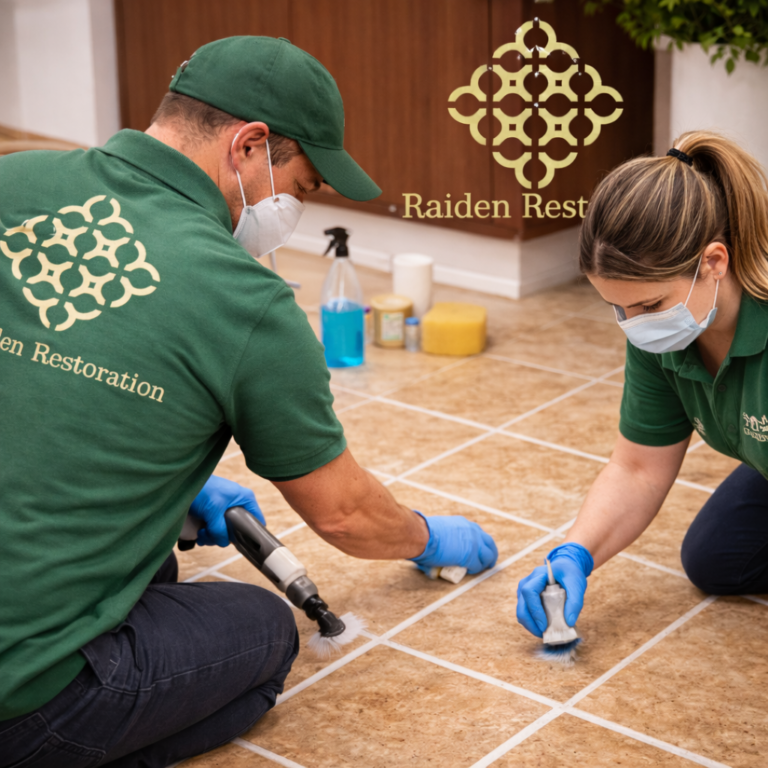
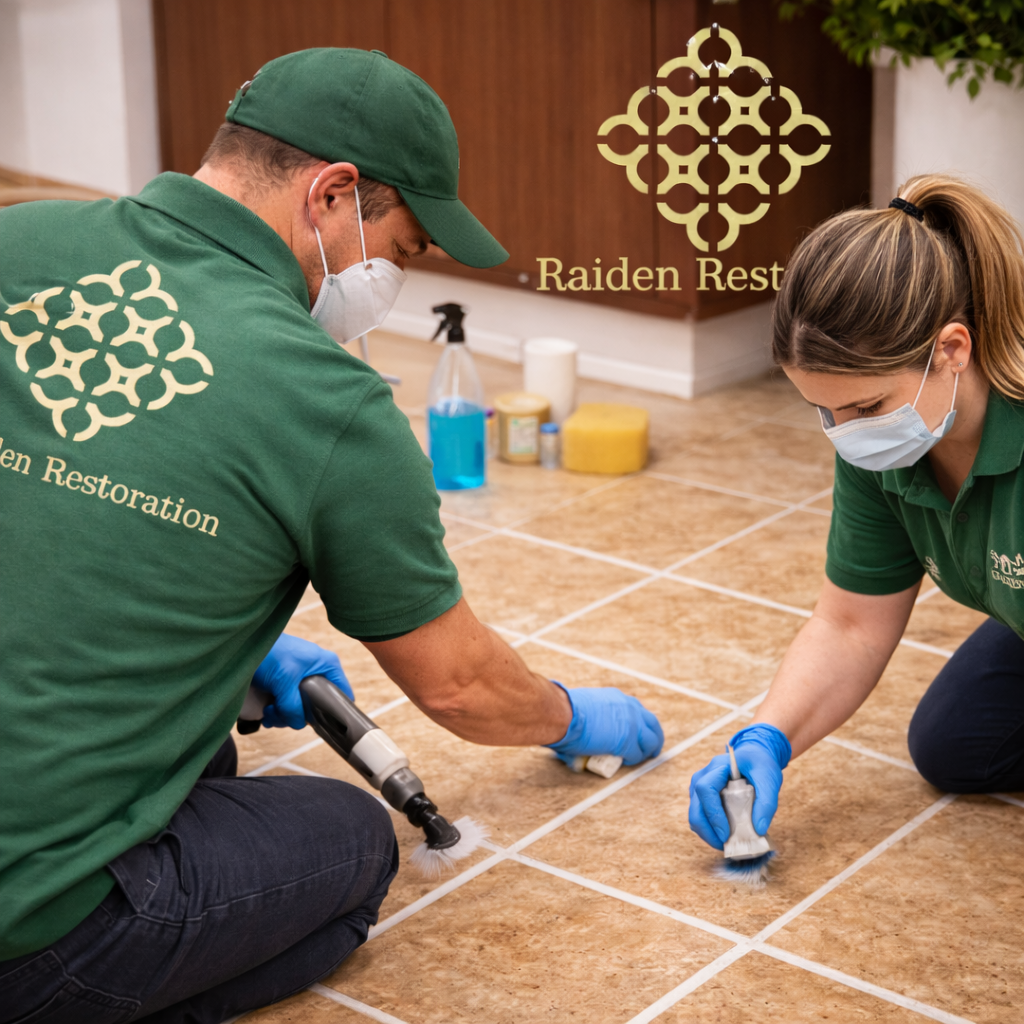
Raiden Restoration provides efflorescence removal services to remove buildup with methods selected for the material underneath it, not with one aggressive cleaner used everywhere. I have seen surfaces scrubbed until the finish became dull while the white bloom kept returning. That happens when the deposit is treated only as a cleaning problem. I identify what is on the surface, remove it correctly, and explain what may be causing the mineral migration.
What Is Professional Efflorescence Removal and How Does It Work?
Professional efflorescence removal is the controlled removal of mineral salts from tile, grout, natural stone, concrete, or masonry using a treatment matched to both the deposit and the surface. The work includes identifying the residue, loosening the mineral buildup, extracting it, and evaluating the material after drying. People searching for how to remove efflorescence from tiles often find advice that starts with vinegar, acids, or aggressive scrubbing. That can be risky because not every white deposit is efflorescence and not every surface tolerates acid. Marble, limestone, travertine, cementitious grout, glazed tile, and textured masonry all respond differently.
True efflorescence is usually mineral-based and connected to moisture movement. Grout haze, hard water scale, soap residue, sealer whitening, and stone etching can look similar but need different correction. Cleaning can remove visible salts, but it cannot permanently stop a leak, drainage issue, or active moisture source behind the surface.
White Deposits Keep Returning When the Real Problem Is Below the Surface
Efflorescence on tiles develops when water dissolves salts inside grout, mortar, a concrete substrate, or another cement-based material. As moisture travels outward and evaporates, the salts remain as a white or gray powder, crust, or haze. Tile efflorescence often collects along grout joints, edges, corners, or porous surfaces.
Repeated scrubbing may remove loose residue, but it does not stop salts from moving upward. Strong acidic products can make matters worse by damaging grout, natural stone, or polished finishes while the moisture source remains active.
The pattern matters. A light powder across fresh grout suggests a different condition than hard crystalline buildup that returns in the same joint after cleaning. When I see recurring grout efflorescence, I look at where moisture may be entering, how the surface is drying, and whether the installation can continue releasing salts.
Efflorescence Removal for
Tile, Grout, Marble, and Porous Stone
Removing Efflorescence
Efflorescence on tiles often appears as a chalky film along grout joints, tile edges, or porous surfaces. I identify where moisture is moving, test the deposit, and choose a treatment that dissolves mineral residue without damaging the tile. The goal is a clean surface while preserving the tile and finish.
Treating Efflorescence
Efflorescence on marble requires more caution because acidic products can etch calcite-based stone. I separate true mineral deposits from dullness, residue, or etching before treatment. The cleaning method is selected for the stone finish so polished, honed, or textured marble is not altered while the mineral buildup is removed.
Clearing Salt Bloom
Porous materials such as travertine, limestone, slate, and some masonry can hold moisture below the surface and release salts as they dry. I treat the visible salt bloom while watching how the material reacts. Careful dwell time, controlled agitation, and thorough extraction help avoid spreading dissolved residue across adjacent areas.
Correcting Grout Efflorescence
Grout efflorescence can return when moisture continues moving through a concrete substrate, mortar bed, or cementitious grout joint. I clean the deposit and evaluate the pattern instead of assuming stronger chemicals will solve it. Repeated white residue usually points to a moisture pathway that deserves attention before any sealing decision.
My 4-Stage Method for
Removing Mineral Deposits Safely
Confirming the Deposit
I start by confirming that the white material is actually efflorescence rather than soap film, grout haze, hard water residue, or surface damage. The location, texture, moisture pattern, and material type guide that diagnosis. Correct identification matters because the wrong cleaner can discolor grout, etch stone, or leave deposits behind.
Breaking Down Soluble Salts
Once the deposit is identified, I select a material-appropriate treatment that breaks down soluble salts and alkaline residue without unnecessary surface aggression. Application is controlled so the solution stays where it is needed. I allow proper dwell time, agitate when required, and monitor the surface throughout the treatment process.
Rinsing & Extracting Mineral
Dissolved mineral residue must be removed from the surface rather than allowed to dry again. I use rinsing and extraction to lift loosened salts, cleaner residue, and suspended soil. Multiple passes may be needed on porous tile or stone because material trapped in pores can migrate outward as drying continues.
Evaluating the Surface Again
After cleaning, I evaluate the surface as it dries because remaining mineral migration is often easier to see after moisture leaves the material. I check grout joints, edges, corners, and porous areas for new bloom. This review helps determine whether removal is complete or whether moisture conditions need further correction.
The Method Works Because I Treat the Deposit and Respect the Material
The strongest cleaner is not automatically the right cleaner. Efflorescence removal depends on understanding the chemistry of the deposit and the sensitivity of the surface. A product suitable for durable masonry can etch marble, alter grout color, or haze another finish if it is used without proper testing.
My standard for completion is not simply that the surface looks better while it is wet. I watch how it responds during drying and whether white powdery deposits begin returning from the same areas. On porous materials, two or more treatment passes may be needed when salts continue migrating from below.
I also give direct guidance when cleaning cannot solve the cause. If active moisture is still entering through a leak, failed waterproofing, drainage problem, or saturated substrate, I will say so rather than promise permanent results.
Stop Scrubbing the White Bloom and Find Out What Is Feeding It
If you are searching for an efflorescence removal service near me because mineral deposits keep returning, the next step should be a proper surface assessment. I can determine whether the white buildup is efflorescence on tile, stone, grout, or another residue and recommend the right treatment.
If your search started with efflorescence removal near Lynwood, WA, send photos or describe where the buildup appears, how quickly it returns, and what material is affected. I will help you decide whether professional removal is the right next step.
Signs Your Surface Has Efflorescence
After restoring thousands of surfaces, I usually notice efflorescence problems early by looking at the grout behavior and surface discoloration patterns.
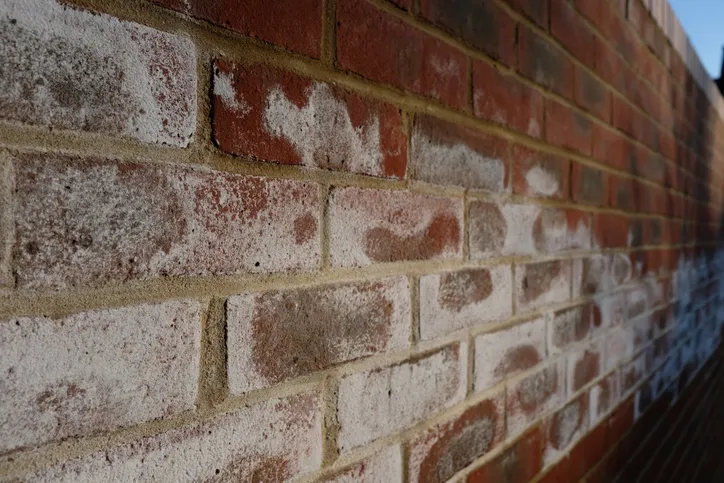
Common signs include White powder around grout joints, chalky residue on stone surfaces, white stains on brick or concrete, grout discoloration, moisture marks near tile edges, reappearing white deposits after cleaning, surface dullness and salt-like residue near showers or floors.
Sometimes homeowners think these stains are soap residue or dust buildup. The difference is that efflorescence normally comes back quickly after normal cleaning.
Common causes of efflorescence include:
✔ Moisture Fights Under Tile Or Stone
✔ Water ingress via grout or concrete
✔ Improper sealing of surfaces
✔ Humidity and poor ventilation
✔ Backed up water in bathrooms, basements, or outside
Restoration should be based on the cause, so that efflorescence can be removed, but unless the root cause is found, it will not go away.
Efflorescence Removal For Residential And Commercial Properties
We provide efflorescence removal services for residential homes, commercial floors, bathrooms, kitchens, showers, entryways, patios, stone walls, concrete surfaces and tiled floors.
Over the years, I have worked on both older properties and newly installed tile surfaces. Efflorescence can happen in both situations if moisture conditions exist underneath the material.
- Faqs
Got Questions? We’ve Got Answers
What Causes Efflorescence on Tiles?
Efflorescence on tiles forms when moisture dissolves salts inside grout, mortar, concrete, or masonry, carries them outward, and leaves mineral deposits behind as the water evaporates.
Can Efflorescence on Marble be Removed Safely?
Efflorescence on marble can be removed safely when the deposit is identified correctly, and the treatment avoids harsh acids that can etch or dull calcite-based stone.
How Do You Remove Efflorescence From Tiles?
Professional removal starts by identifying the deposit, choosing surface-compatible chemistry, loosening soluble salts, rinsing and extracting residue, then checking the area again after it dries.
Will Tile Efflorescence Come Back After Cleaning?
Tile efflorescence can return if moisture continues carrying salts through grout, mortar, or the substrate. Removal clears the deposit, but active moisture must also be addressed.
Should I Hire an Efflorescence Removal Service or Clean it Myself?
Professional service is appropriate when deposits recur, cover porous materials, or affect natural stone. DIY acids and aggressive scrubbing can damage surfaces without correcting mineral migration.
Contact with us for any advice
Need help? Talk to an expert
- 206-458-9942
- davidmadsen91@gmail.com
- 4105 Shelby Road, Lynnwood, WA 98087